
Wise Plastics Technologies
Liquid Silicone Rubber (LSR) Injection Molding
Medical-grade LSR molding for parts that thermoplastics can't survive — seals, skin-contact components, and extreme-temperature applications, validated under ISO 13485.
The Elastomer for Jobs Rubber Can't Do
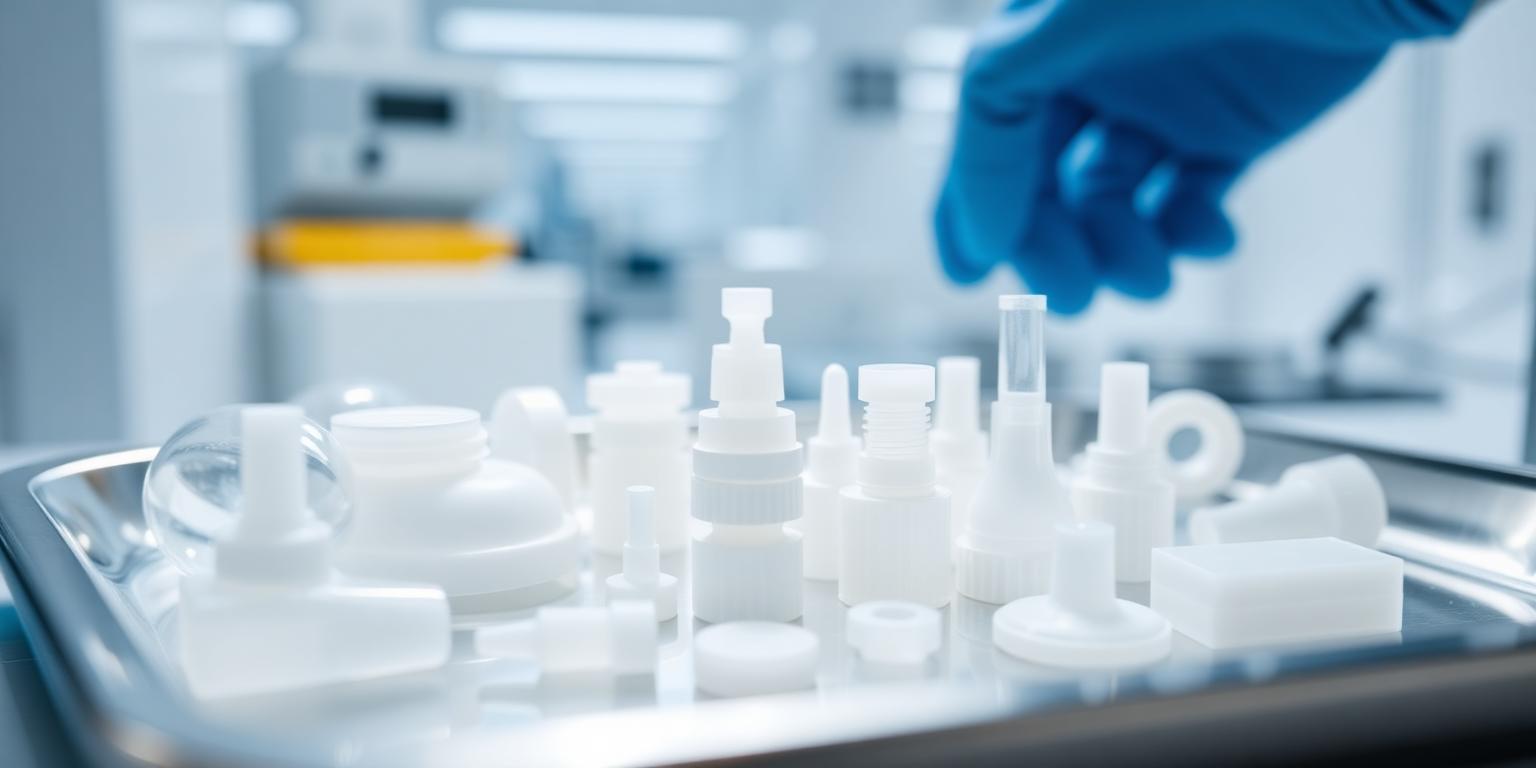
Liquid silicone rubber fills the gap no thermoplastic covers: parts that must stay flexible, sealed, and dimensionally stable through sterilization cycles, under-hood heat, and decades of compression. Demand is growing fastest in medical devices — exactly where quality systems get tested hardest.
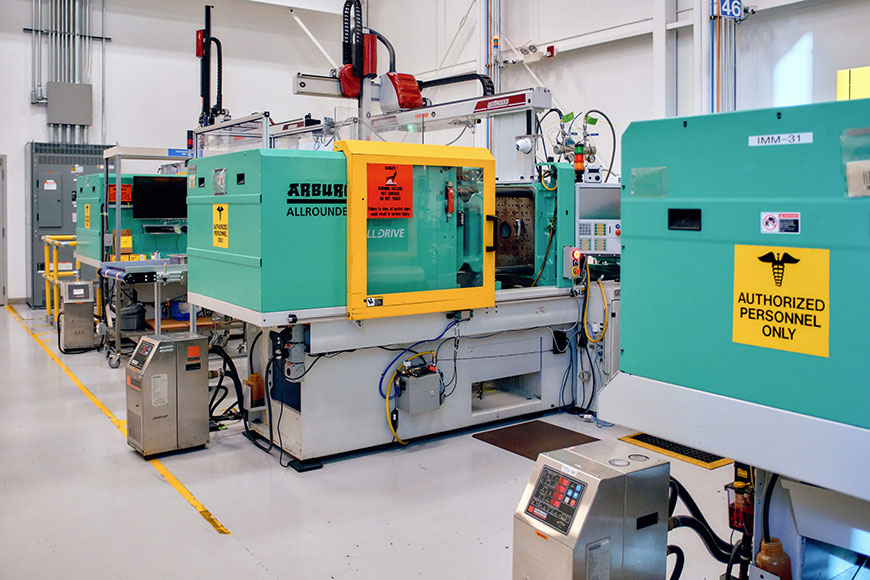
Wise runs LSR alongside thermoplastic molding under one roof and one ISO 13485:2016 quality system — with bondable and non-bondable grades, silicone over-molding onto rigid substrates, and the validation discipline medical and pharmaceutical OEMs require. Because we mold both silicones and thermoplastics, our material recommendations have no process bias.
Material Properties
Why Engineers Specify LSR
Four property families no other elastomer combines — and the reason LSR parts end up in the most demanding assemblies.
Hygienic & Biocompatible
Inert, hypoallergenic, and resistant to bacteria and fungi — and it survives steam sterilization. Built for skin contact, medical reuse, and food applications.
Extreme Temperature Range
Stable from -180°F to 600°F with flame-retardant options. The same part survives autoclave cycles, under-hood heat, and freezer storage.
Flexible for Life
Outstanding compression set and fatigue resistance — seals that stay sealed and flex features that keep flexing for millions of cycles.
Optical & Electrical
Water-clear grades with no yellow cast, colorfast UV stability, and excellent dielectric properties for lighting and electronics.
The Decision
LSR vs. TPE: An Honest Comparison
Most LSR conversations start as a TPE-or-LSR question. We mold both, so the recommendation follows your part — not our equipment.
| Property | LSR | TPE |
|---|---|---|
| Temperature range | -180°F to 600°F | Narrower; softens with heat |
| Compression set | Excellent — seals stay sealed | Relaxes over time under load |
| Biocompatibility | Medical and skin-contact grades | Selected grades only |
| Sterilization | Autoclave / steam tolerant | Method-limited |
| Material cost | Higher | Lower |
| Recyclability | Thermoset — not remeltable | Thermoplastic — recyclable |
If the part lives in heat, stays compressed, touches skin, or gets sterilized, LSR earns its premium. If none of those apply, a TPE may serve at lower cost — and our engineering team will tell you so before any tooling is quoted.
Equipment
Purpose-Built LSR Cells
- Rotary, vertical, and horizontal LSR molding machines
- Silicone over-molding and 2-shot capabilities
- Multi-durometer molding for soft-hard combinations
- Bondable and non-bondable LSR grades
- Automated material handling and dosing systems
- Complex geometries with flashless tooling practices
Validation
Medical-Grade by Default
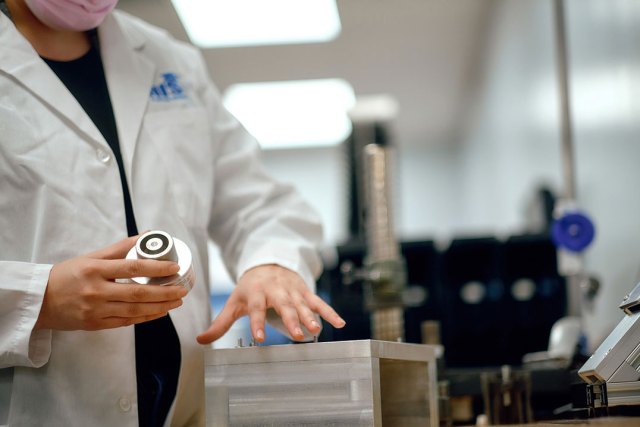
LSR demand is dominated by medical applications, and that's where quality systems get tested. Every LSR program runs under the same ISO 13485:2016 certification as our thermoplastic medical molding — documented process development, IQ/OQ/PQ validation support, full lot traceability, and CMM inspection in a climate-controlled lab.
That discipline carries over to every market we mold silicone for — from medical devices to automotive and industrial seals.
Go Deeper
Where LSR Programs Lead
The services and markets most LSR conversations touch next.
FAQ
Frequently Asked Questions
Liquid silicone rubber molding injects a two-part platinum-cured silicone into a heated mold, where it cures into a part that stays flexible and stable across extreme temperatures (-180°F to 600°F). It's the standard choice for seals, skin-contact medical components, and high-heat elastomer parts.
TPEs are cheaper and recyclable; LSR wins on temperature range, compression set, chemical resistance, and biocompatibility. We mold both, so our recommendation isn't biased toward one process.
Yes — LSR programs run under our ISO 13485:2016 quality system, with validation support for medical applications.
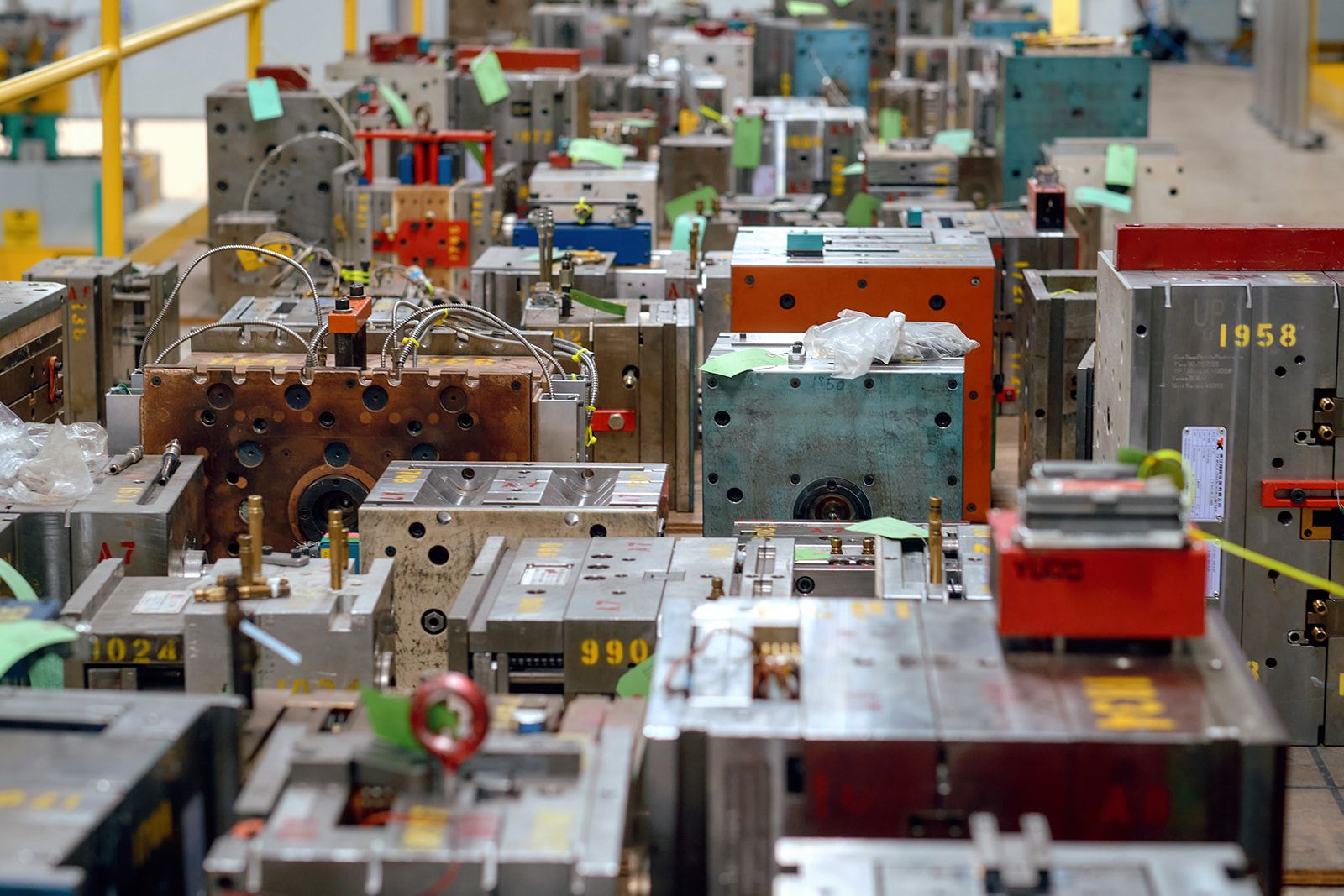
Yes — LSR tooling gets the same documented inspection and re-qualification as thermoplastic tooling. Learn more about tooling transfers.
Start Your LSR Program
LSR programs live and die on process control. Send prints or CAD and we'll respond with a material recommendation, tooling approach, and validation plan.
Send Your Prints