
Wise Plastics Technologies
Electronics Injection Molding
Insert molding, tight-tolerance small parts, and scientifically validated processes — dimensional stability that holds across resin lots and seasons.
Precision Molding for Electronics Assemblies
Electronics assemblies are unforgiving. A boss that moves 0.05 mm and a snap fit will not engage. A flash on a connector and the device fails functional test. A flow line across an antenna window and the product fails cosmetic inspection. We mold for electronics OEMs near Chicago using scientific, decoupled processes that lock in dimensional stability across resin lots, ambient swings, and long production runs — not just first-article approval.
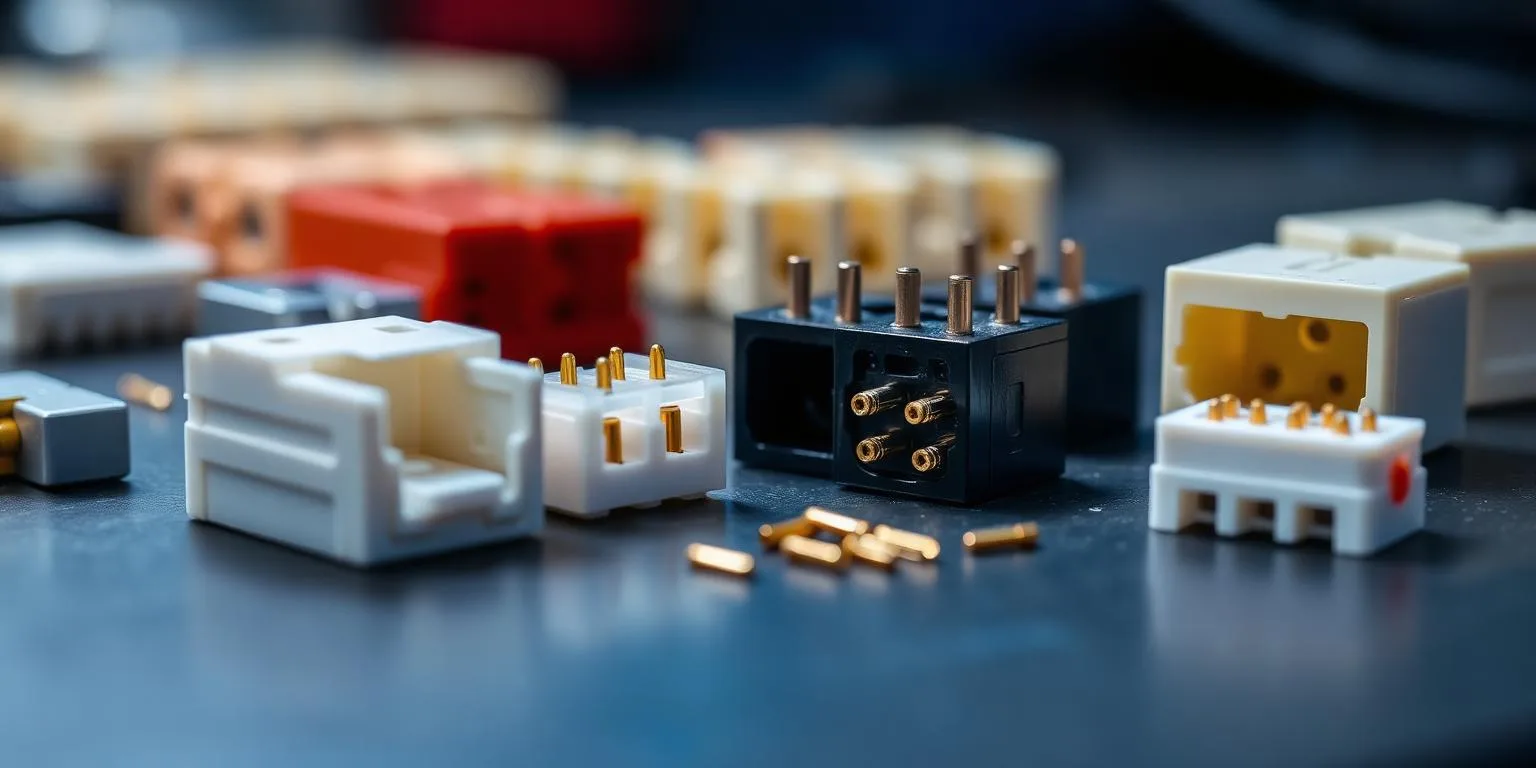
Most of our electronics work is small, tight-tolerance parts with metal inserts: lead frames, contacts, pins, threaded brass, and stamped components molded into engineering thermoplastics like PC, PC/ABS, PA, PBT, LCP, and flame-retardant grades of each. We document capability with Cpk studies, hold first articles to your submission template, and ship lots with traceability tied back to the work order.

Capabilities
Molding Capabilities
- Insert molding for metal pins, contacts, threaded inserts, lead frames, and stamped components
- Tight-tolerance small parts with documented capability studies (Cpk)
- Engineering resins: PC, ABS, PC/ABS, PA, PBT, LCP, and UL-recognized flame-retardant grades
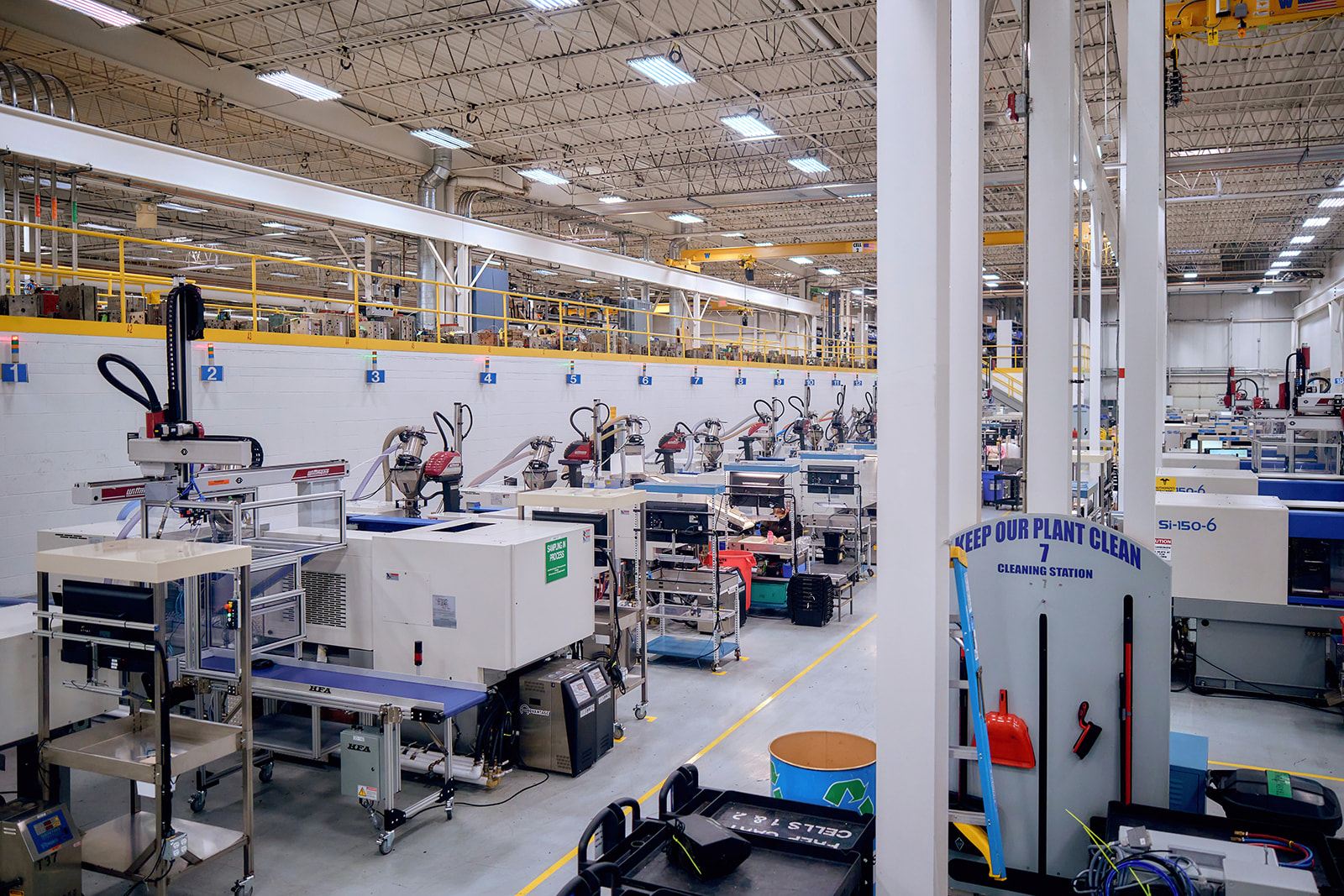
- Scientific molding with decoupled processes and validated parameters
- Clean cosmetic surfaces for visible enclosure components and antenna windows
- ESD-safe material handling, packaging, and workstations on request
- Cleanroom-compatible part handling and packaging available
Why Insert Molding Sits at the Center of Electronics Work
Most electronics housings are not just plastic — they're metal in plastic. Connector shells with stamped contacts. Sensor bodies with brass threads. Lead frames overmolded into a body. Insert molding does this in one shot: the metal gets loaded into the tool, the resin shoots around it, and a single part comes out, dimensionally locked. The alternative — molding a hole and pressing or gluing metal in later — costs more, drifts more, and fails more.
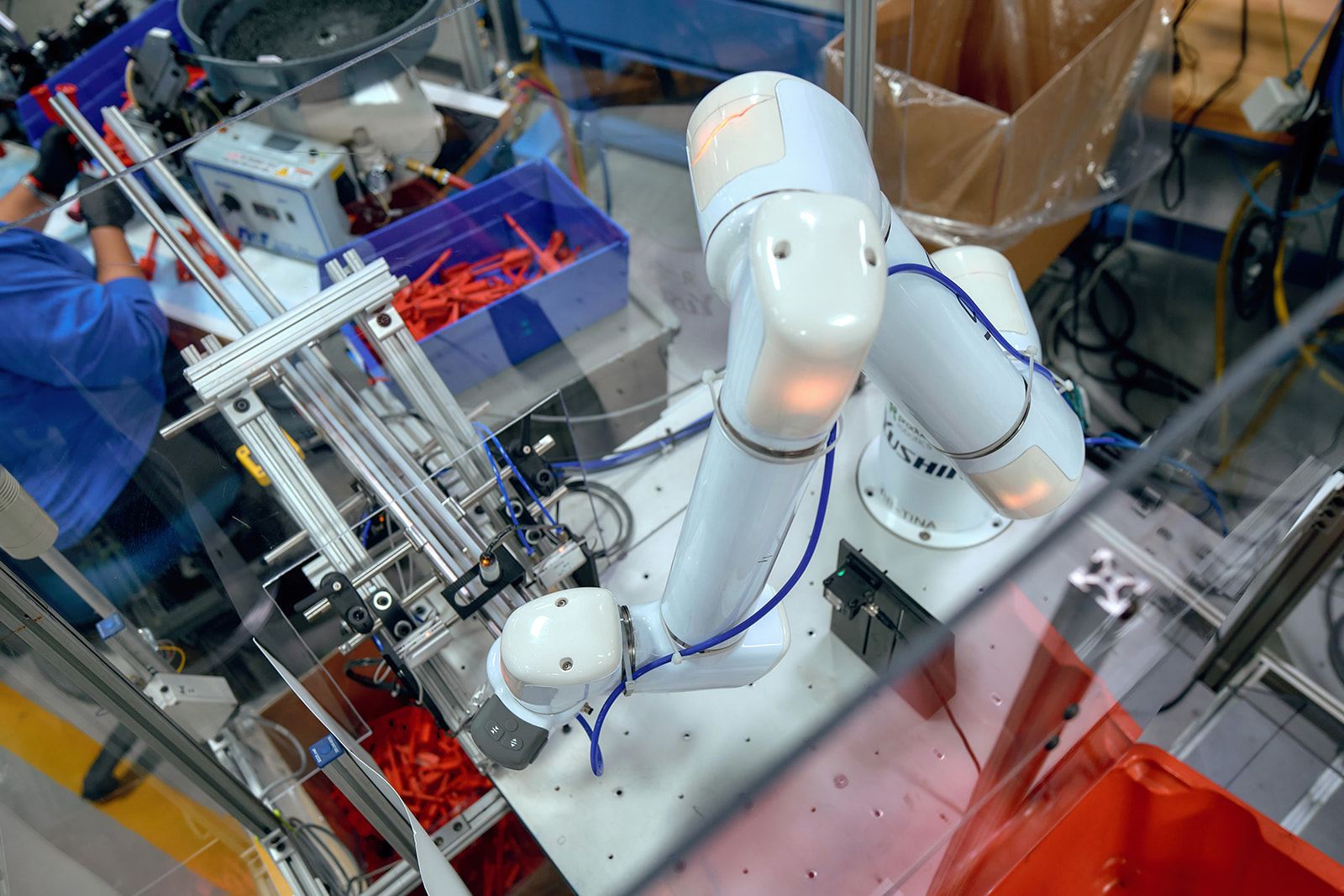
Inserts can be loaded manually for low to mid volumes or by automation for high volume. We'll talk through volume, takt time, and insert geometry at quote and pick the right setup so unit cost matches your program economics.
Dimensional Stability That Doesn't Drift
Resin batches are not identical. Ambient humidity changes day to night. Tool temperatures shift across an 8-hour run. The molders that quote on price alone hand you a part that hits print at first-article and drifts a month later. We don't run that way. Each electronics program gets a documented, decoupled process — fill, pack, cool, and cycle parameters validated against material lots — and a control plan that catches drift before it ships. Cpk studies live alongside the process, not in a binder no one opens, and SPC data flows back into process adjustments when it has to.
Related Services
Supporting Services
FAQ
Frequently Asked Questions
Discuss Your Electronics Program
Send prints or program requirements and we'll respond with a fit, risk, and timeline assessment.
Request a Quote